
 |
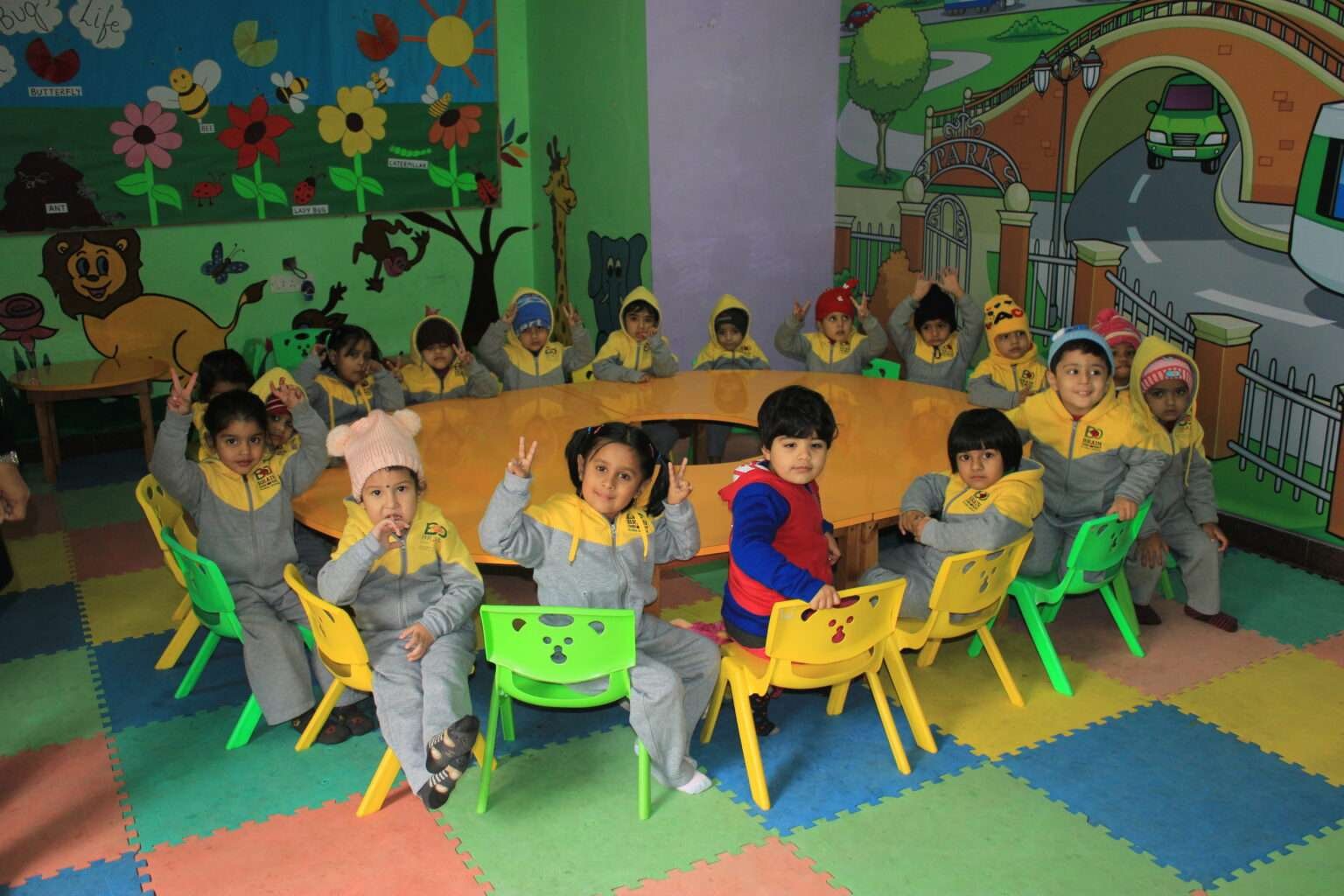
A child’s growth is greatly aided by early childhood education (ECE), which establishes the groundwork for success and learning throughout life. The experiences children receive throughout their first five years of life can have a substantial impact on their cognitive, social, and emotional development because this is a time when the brain develops quickly. It is important to know “What is Early Childhood Education and why is early childhood education important?” |
What is Early Childhood Education?
|
The term “early childhood education” describes the formalised learning opportunities offered to kids under the age of eight. During this crucial developmental stage, high-quality ECE programs emphasise fostering:
|
 |
Why is Early Childhood Education Important
Every parent wants their child to excel academically, socially, and in extracurricular activities. These skills start developing between ages 3 to 5, which is the ideal time for early childhood education.
- Children learn fundamental skills like reasoning, memory, and attention through practical experiences.
- Early exposure to a variety of learning settings fosters resilience, adaptability, and a love of learning.
- Provides a solid basis for both education and adulthood.
- Instills positive habits and experiences for lifetime growth.
Mental Growth
 |
Early years are crucial for brain development. Mental growth is a core role of ECE, with programs offering engaging environments that promote investigation and learning. Children engaging in problem-solving and critical thinking exercises lay a strong foundation for academic success. |
Social Proficiency
Through interaction with peers and adults, children develop vital social skills. They play together, practice sharing, and grow in empathy. Preschool activities promote social connection, a crucial requirement for early development.

School Readiness through Early Learning
Children who attend preschool are better prepared for formal schooling and exhibit stronger academic understanding. Early education impacts future success by:
- Developing social and emotional skills
- Improving language usage
- Enhancing cognitive and non-cognitive skills
- Fostering creativity
Brain and Cognitive Development
Early schooling shapes brain architecture, influencing behaviour, learning, and future health.
Cognitive benefits of preschool education include:
- Problem-solving
- Imaginative play
- Critical thinking
- Open-ended questions

Skills Development
Early education improves memory, thinking, and logic skills.
Language Development
Early education aids language acquisition, especially when children hear a second language at home.
Conclusion
The ideal age to start preschool is between three and six. Early childhood education develops socio-emotional abilities, lays a strong foundation for future learning, and improves mental health outcomes. Parents should balance quality time and structured learning for optimal growth.
Brain Discovery operates 51+ branches across India. To buy a school franchise like Pre-school, Play school, Kindergarten, K-12 school, click here.
No comments yet. Be the first to share your thoughts.